What Grief Taught Us About Community

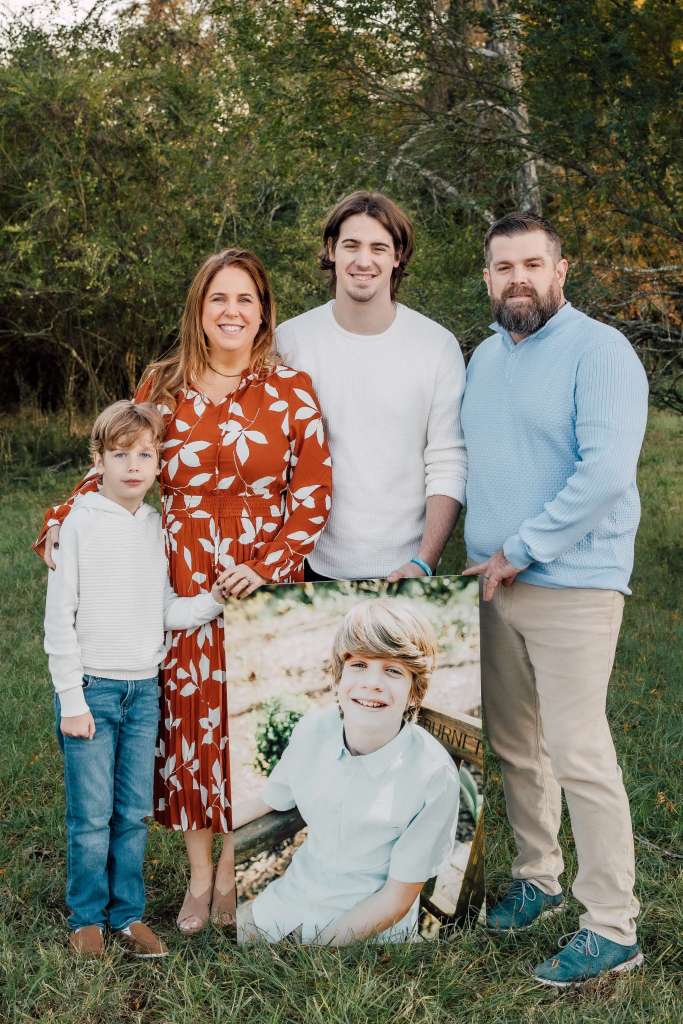
When we lost William in a road crash, we were shattered. The weight of our grief was, and still is, something we never imagined carrying. But from the very beginning, we were not alone.

If you’ve talked to Michael or me about this journey, you know how deeply we believe that grief and love are forever intertwined. In the darkest moments, we’ve also seen the brightest light shine through the people around us.

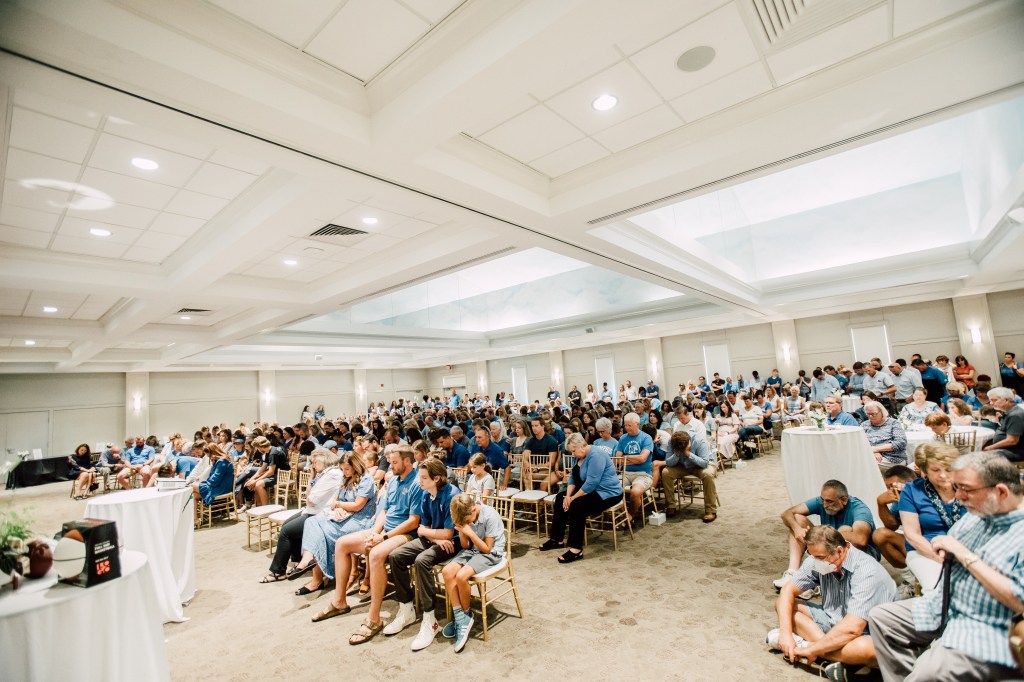
Our friends didn’t wait to be asked. They brought food to our doorstep, sometimes quietly, sometimes with a hug. The Usual Saucepects BBQ Team stepped in without hesitation to provide food for William’s Celebration of Life, lifting a burden we couldn’t even think about carrying. Friends and family sat with us in those early days—not to fix anything, but just to be there. They shared stories about William, cried with us, and listened as we tried to make sense of our pain.

William’s Celebration of Life – A sea of Tiger Blue

And quietly, in ways that may never be seen by the world, people have shared their hearts with us. Some reached out with stories or memories so deeply personal, so sacred, that they live only between us and the person who shared them. Those words, those moments, are tucked away in our hearts. They have carried us through more days than we can count.

But it didn’t stop there.

Our people showed up for more than just us—they showed up for a cause. Friends and family stood before the Memphis City Council and spoke William’s name into the public record. They became advocates, fighting for safer streets, not just in William’s memory, but for the safety of every person in our city.

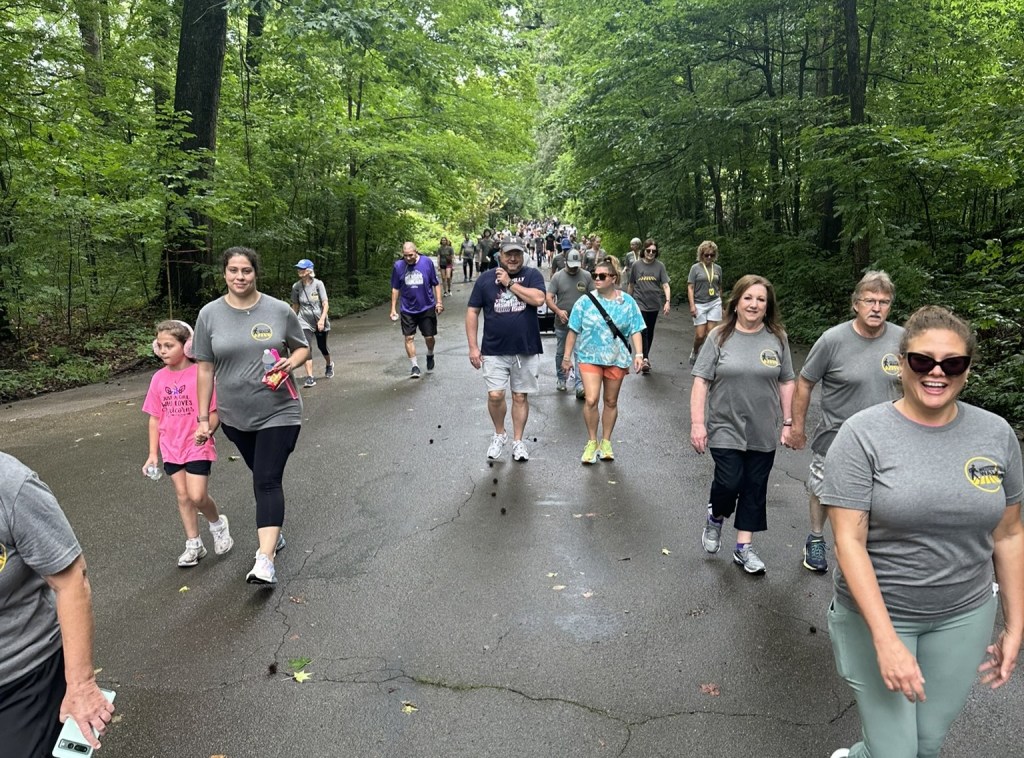
As we began organizing William’s Walk, we were continually overwhelmed by the support we received. Friends rolled up their sleeves—literally—to help with planning, logistics, setup, and cleanup. They didn’t hesitate. They just showed up.

William’s Walk

And then there were the people we didn’t know—strangers who found us online, liked our posts, shared them, and reached out to volunteer. Each one of those small acts has meant more than we can express. Every time someone says William’s name, shows up to help, or hits “share,” it tells us that his story matters—and that we’re not alone in this work.

Grief has taught us a lot. It’s taught us that love doesn’t end. It’s taught us that even in heartbreak, there is hope. And maybe most of all, it’s taught us that community—real, loving, hands-in-the-dirt community—is one of the greatest gifts we have.

Thank you for being part of ours.

5 Things Memphis (and Every City) Can Do to Protect Pedestrians

Because Safe Streets Shouldn’t Be a Luxury

When we lost William, it opened our eyes to a painful truth: Memphis is the most dangerous city in the country for pedestrians. But it doesn’t have to stay that way. Road crashes aren’t random; they’re preventable. Cities can make choices that save lives. We’ve seen it done elsewhere, and it can happen here.

Here are five proven ways cities like ours can make streets safer for everyone:


1. Design Streets for People, Not Just Cars

Wide, fast roads through neighborhoods are a recipe for tragedy. Cities can redesign roads with narrower lanes, pedestrian islands, protected crosswalks, and traffic-calming features that make drivers slow down, and keep people safe.


2. Lower Speed Limits Where People Walk

Speed is the biggest factor in whether a person hit by a car survives. Even a small reduction in speed, especially in busy areas or near parks, schools, and shopping districts, can mean the difference between life and death.


3. Enforce the Laws That Protect Pedestrians

Laws that require drivers to yield at crosswalks or prohibit distracted driving are only helpful if they’re enforced. Cities need consistent enforcement to remind drivers that protecting lives is not optional.


4. Invest in Lighting and Visibility

Poorly lit streets put pedestrians at risk. Simple changes like better lighting, visible crosswalks, and clear signage can prevent crashes, especially in the early morning and evening hours.


5. Listen to the Community—Especially After Tragedy

No one understands where the danger spots are better than the people who walk, bike, and drive those streets every day. City leaders need to listen to residents, act on concerns, and treat crashes as a call to action, not just another statistic.


We walk for William. But we also walk for every person who deserves to get home safely.

The solutions are there. What we need is the will to make them happen.


Want to get involved? Learn more about William’s Walk and how you can help at williams-walk.com.

What Is a “Road Crash”?

And Why We Don’t Call It an Accident

If you’ve talked to Michael or me about this subject, you may have noticed that we are breaking the habit of calling what happened to William an accident and instead calling it what it was: a road crash.

It’s not just a matter of wording; it’s a matter of truth, responsibility, and honoring our son.

The word accident implies that something was unavoidable, that no one could have seen it coming or done anything to stop it. But road crashes are not random. They are preventable. They happen because of choices, choices about speed, distraction, design, enforcement, and awareness. Calling it an accident makes it easier to accept as just bad luck. But there was nothing random about the road where William was hit. And there was nothing random about the conditions that made it unsafe.

We’ve learned that language shapes the way people think, and how society responds. When we call it a crash, we invite people to ask questions. What happened? Could it have been prevented? What needs to change? That’s the space where change can begin.

We’re not perfect. After years of using “accident” ourselves, the word still slips out sometimes. But we are trying. Because using more honest language is one small way we can shift the conversation, and hopefully we can prevent other families from experiencing the same pain.

William’s death was not an accident. It was a crash. It was preventable. And it is the reason we do this work.