
Because Safe Streets Shouldn’t Be a Luxury
When we lost William, it opened our eyes to a painful truth: Memphis is the most dangerous city in the country for pedestrians. But it doesn’t have to stay that way. Road crashes aren’t random; they’re preventable. Cities can make choices that save lives. We’ve seen it done elsewhere, and it can happen here.
Here are five proven ways cities like ours can make streets safer for everyone:
1. Design Streets for People, Not Just Cars
Wide, fast roads through neighborhoods are a recipe for tragedy. Cities can redesign roads with narrower lanes, pedestrian islands, protected crosswalks, and traffic-calming features that make drivers slow down, and keep people safe.

2. Lower Speed Limits Where People Walk
Speed is the biggest factor in whether a person hit by a car survives. Even a small reduction in speed, especially in busy areas or near parks, schools, and shopping districts, can mean the difference between life and death.
3. Enforce the Laws That Protect Pedestrians
Laws that require drivers to yield at crosswalks or prohibit distracted driving are only helpful if they’re enforced. Cities need consistent enforcement to remind drivers that protecting lives is not optional.
4. Invest in Lighting and Visibility
Poorly lit streets put pedestrians at risk. Simple changes like better lighting, visible crosswalks, and clear signage can prevent crashes, especially in the early morning and evening hours.
5. Listen to the Community—Especially After Tragedy
No one understands where the danger spots are better than the people who walk, bike, and drive those streets every day. City leaders need to listen to residents, act on concerns, and treat crashes as a call to action, not just another statistic.
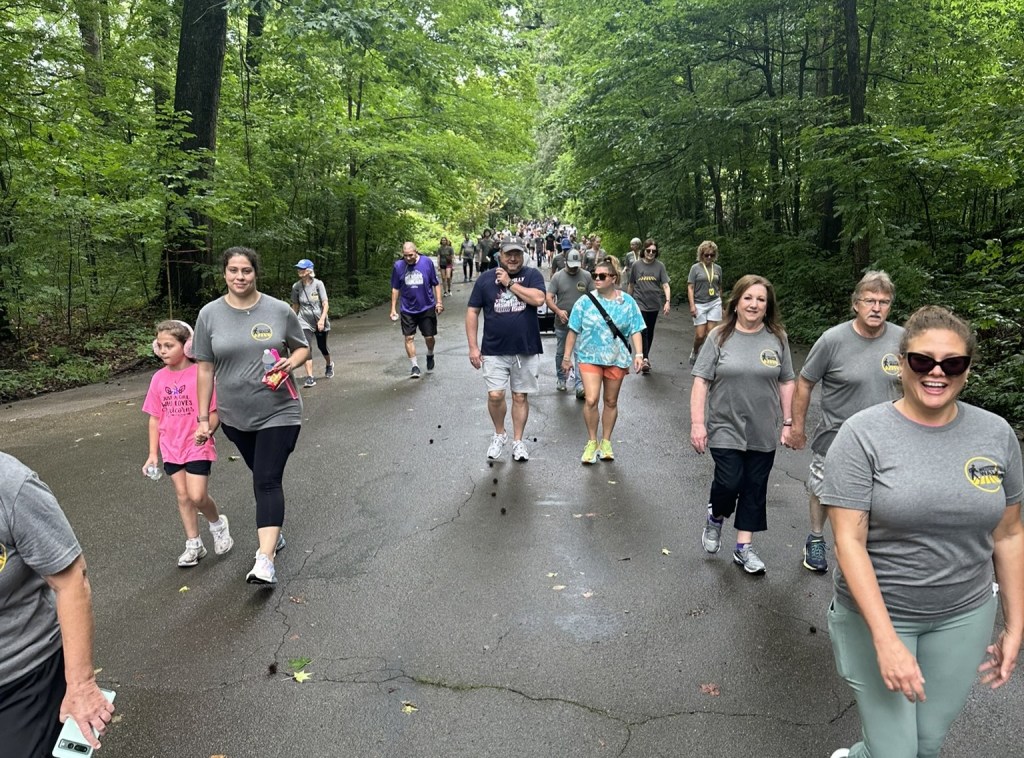
We walk for William. But we also walk for every person who deserves to get home safely.
The solutions are there. What we need is the will to make them happen.
Want to get involved? Learn more about William’s Walk and how you can help at williams-walk.com.
 William's Walk